The future of online shopping is no longer about offering more products or running bigger discounts. In 2026, it is about delivering experiences that feel relevant, intuitive, and tailored to each individual customer.
Personalisation has evolved far beyond adding a customer’s name to an email. Today’s shoppers expect brands to understand their intent, preferences, and timing across every touchpoint. When online shopping feels generic, customers disengage quickly. When it feels personal, they stay longer, convert faster, and return more often.
This guide explores how personalisation is shaping the future of online shopping, why it matters more than ever, and how eCommerce brands can implement it responsibly and effectively in 2026.
What Personalisation Means in the Future of Online Shopping?
In the future of online shopping, personalisation focuses on context, behaviour, and intent, not assumptions.
Modern eCommerce personalisation is driven by:
- Browsing behaviour and on-site interactions
- Purchase history and product preferences
- Engagement patterns across devices and channels
- Real-time signals such as location, timing, and session intent
Instead of pushing products aggressively, personalisation supports decision-making. It helps customers discover what they actually need, when they need it, with minimal effort.
The goal is not to overwhelm shoppers with options, but to reduce friction and cognitive load throughout the buying journey.
Why Personalisation Matters More Than Ever?
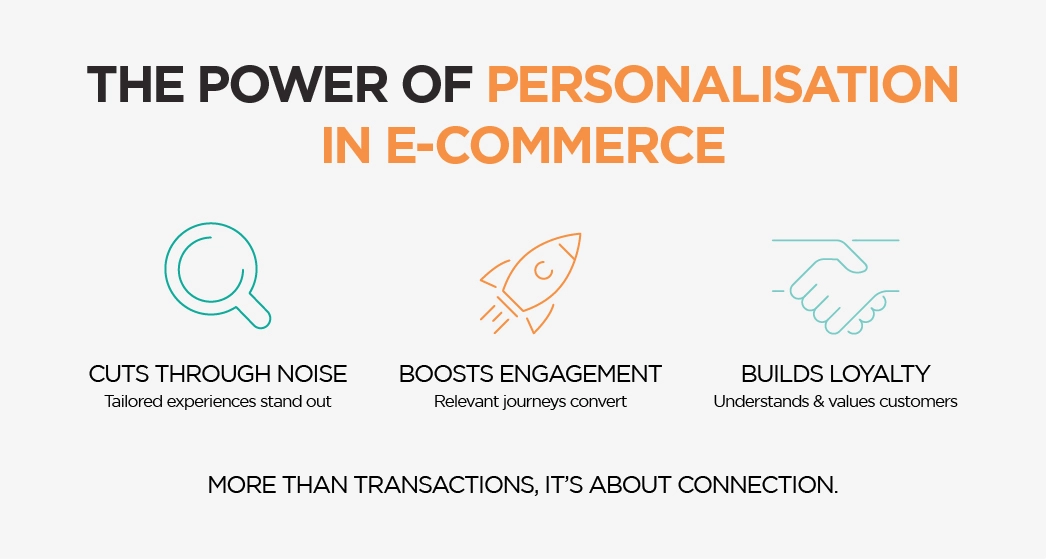
Online shoppers today have endless choices. When an experience feels generic or irrelevant, customers move on quickly. Personalisation helps brands cut through the noise by making shopping journeys feel smoother and more considered.
Beyond conversions, personalisation builds trust. When customers see recommendations or content that genuinely reflect their interests, it signals that the brand understands and values them, encouraging repeat visits and long-term loyalty.
Shaping the Future of Online Shopping
1. Smarter Product Recommendations
Product recommendations in 2026 are powered by real-time intent, not static rules. Instead of generic suggestions, modern recommendation systems analyse:
- Current browsing behaviour
- Past purchases
- Similar customer journeys
- Product popularity within specific contexts
This allows brands to surface products that genuinely match customer needs, reducing decision fatigue and increasing conversion rates.
2. Dynamic Content Based on Customer Segments
Personalisation now extends beyond product listings into content and messaging. In the future of online shopping:
- New visitors see educational or trust-building content
- Returning shoppers see personalised offers or reminders
- Loyal customers receive early access or exclusive messaging
Dynamic content ensures that each customer sees information that aligns with their relationship stage, without requiring dozens of separate campaigns.
3. Personalised Loyalty and Rewards Experiences
Loyalty programmes are shifting from rigid tiers to adaptive experiences. Rather than offering the same rewards to everyone, brands are tailoring incentives based on:
- Shopping frequency
- Category preferences
- Engagement behaviour
This approach increases programme participation and makes customers feel recognised, not just rewarded.
4. Behaviour-Based Retargeting That Feels Helpful
Retargeting in 2026 is no longer about repeating the same ads. Effective behaviour-based retargeting responds to:
- Where did the customer drop off?
- What information they might need next?
- What objections are likely preventing purchase?
This creates follow-ups that feel supportive and relevant rather than intrusive or repetitive.
5. Personalised Checkout and Post-Purchase Experiences
Checkout is one of the most critical moments in the future of online shopping. In 2026, personalised checkout experiences are designed to remove friction and make repeat purchases effortless. These experiences often include saved customer preferences and payment methods, relevant delivery and fulfilment options, and localised pricing and shipping details based on the shopper’s location.
Post-purchase personalisation also plays a key role in long-term engagement. Tailored product recommendations, personalised usage guidance, and customised follow-up communications help extend the customer relationship beyond the transaction. Many brands are now using advanced checkout customisation capabilities, such as Shopify checkout extensibility, to deliver more flexible, data-driven checkout and post-purchase experiences that adapt to individual customer behaviour.
Best Practices for Sustainable Personalisation
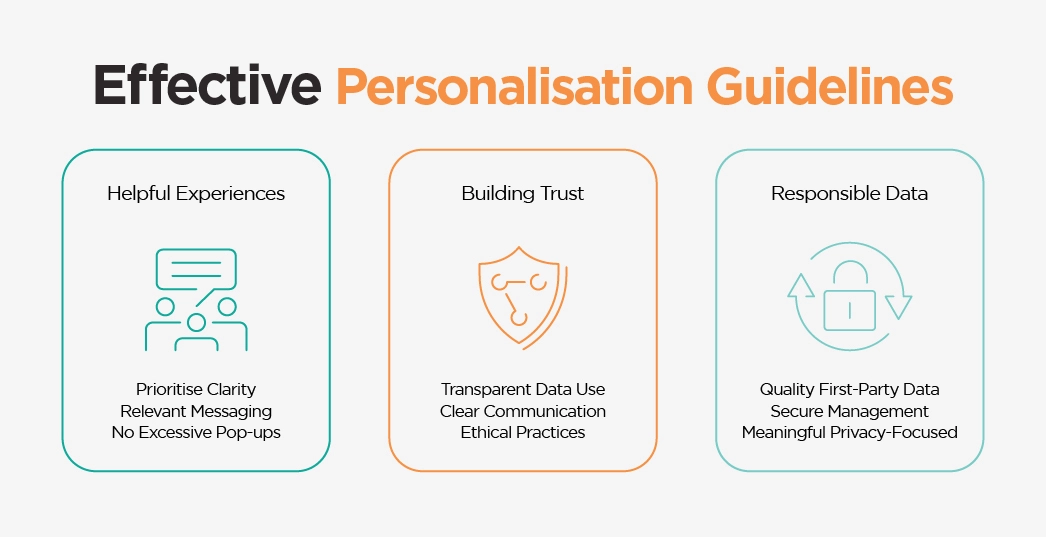
- Keep Experiences Helpful, Not Overwhelming: Effective personalisation supports the customer rather than distracting them. Brands should prioritise clarity and relevance over excessive messaging or pop-ups.
- Build Trust Through Transparency: Customers are more open to personalisation when they understand how their data is used. Clear communication and responsible data practices are essential for long-term trust.
- Use Data Responsibly: First-party data plays a central role in personalisation strategies. Brands that invest in clean, well-managed data are better positioned to deliver meaningful experiences without compromising privacy.
The Role of AI in the Future of Online Shopping
AI plays a supporting role, not a replacement for strategy.
In 2026, AI helps brands:
- Analyse large volumes of behavioural data
- Predict intent more accurately
- Optimise experiences at scale
However, successful personalisation still requires human oversight to ensure relevance, fairness, and brand alignment.
Looking Ahead: The Future of Personalised eCommerce
Personalisation in 2026 is about balance. The most successful brands combine technology with empathy, creating experiences that feel human rather than automated.
As expectations continue to rise, brands that treat personalisation as an ongoing strategy, not a one-off tactic, will be best placed to build lasting customer relationships.
Conclusion
The future of online shopping is personal. Customers expect brands to recognise their preferences, respect their time, and deliver experiences that feel relevant at every touchpoint.
Brands that invest in thoughtful personalisation today are not just improving short-term performance, they are building stronger, more resilient eCommerce businesses for the years ahead.
Ready to create personalised shopping experiences that convert and retain customers? Work with our team to design a data-driven personalisation strategy that fits your business goals. Contact us to start shaping the future of your eCommerce experience.
Need a strong team specialised in SEO?
Speak to Verz today if you are looking to create a website with a
lasting impression to achieve online success.


 Share
Share