Websites are an essential part of modern life, from ordering food to managing finances. But behind every seamless website are two key professionals: web designers and web developers.
Understanding the web designer vs web developer difference is essential whether you’re planning a website, hiring professionals, or exploring a career in digital.
However, in practice, the distinction goes deeper especially as modern websites require both strong user experience and robust technical performance.
What is Web Development?
Web development refers to the technical process of building, coding, and maintaining websites. It ensures that everything behind the scenes works smoothly, securely, and efficiently.
Key Responsibilities of a Web Developer
A web developer is responsible for turning visual concepts into a working website. Their role typically includes:
- Writing code using HTML, CSS, JavaScript, and backend languages
- Building website functionality and features
- Managing servers, databases, and integrations
- Ensuring responsiveness across devices
- Improving website speed, performance, and security
In short, web developers bring structure and functionality to a website, ensuring it operates reliably under real-world conditions.
What is Web Design?
Web design focuses on the visual presentation and user experience of a website. It ensures that users can navigate easily, understand content clearly, and engage with the brand effectively.
Key Responsibilities of a Web Designer
A web designer is responsible for shaping how users interact with a website. This includes:
- Designing layouts, colour schemes, and typography
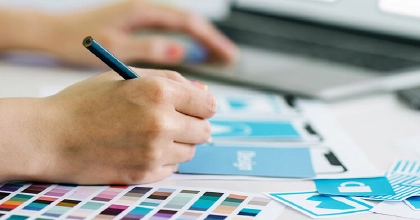
- Creating wireframes, mockups, and prototypes
- Enhancing user experience (UX)
- Aligning visuals with brand identity and messaging
While developers build the engine, web designers create the experience that users see and interact with.
Why Understanding the Web Designer and Web Developer Difference Matters?
Understanding the difference between web designer and web developer helps businesses and individuals make better decisions.
- Hire the right professionals for your project
- Set clear expectations and budgets
- Build a website that is both visually appealing and functional
- Avoid confusion between design and development roles
Without clarity, projects often face delays, miscommunication, or performance issues.
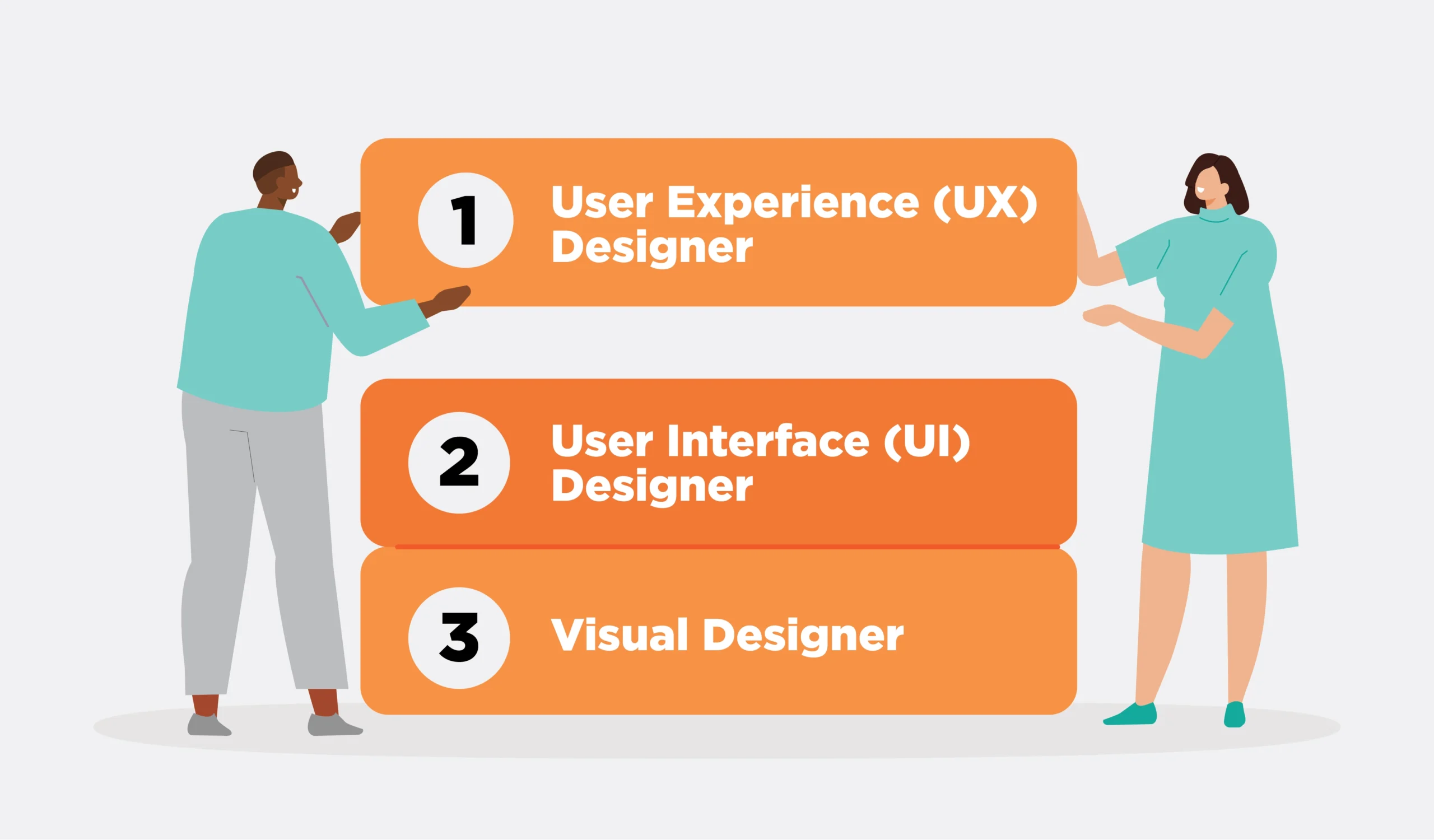
Types of Web Designers
- UX Designer: Focuses on usability, user journeys, and overall experience.
- UI Designer: Designs interactive elements like buttons, menus, and layouts.
- Visual Designer: Handles branding, aesthetics, and overall look and feel.
Essential Skills for Web Designers
- Proficiency in tools like Photoshop, Figma, Sketch
- Basic understanding of HTML, CSS, JavaScript and responsive design.
- Strong UX/UI knowledge
- Creativity and visual storytelling
- Attention to detail and brand consistency
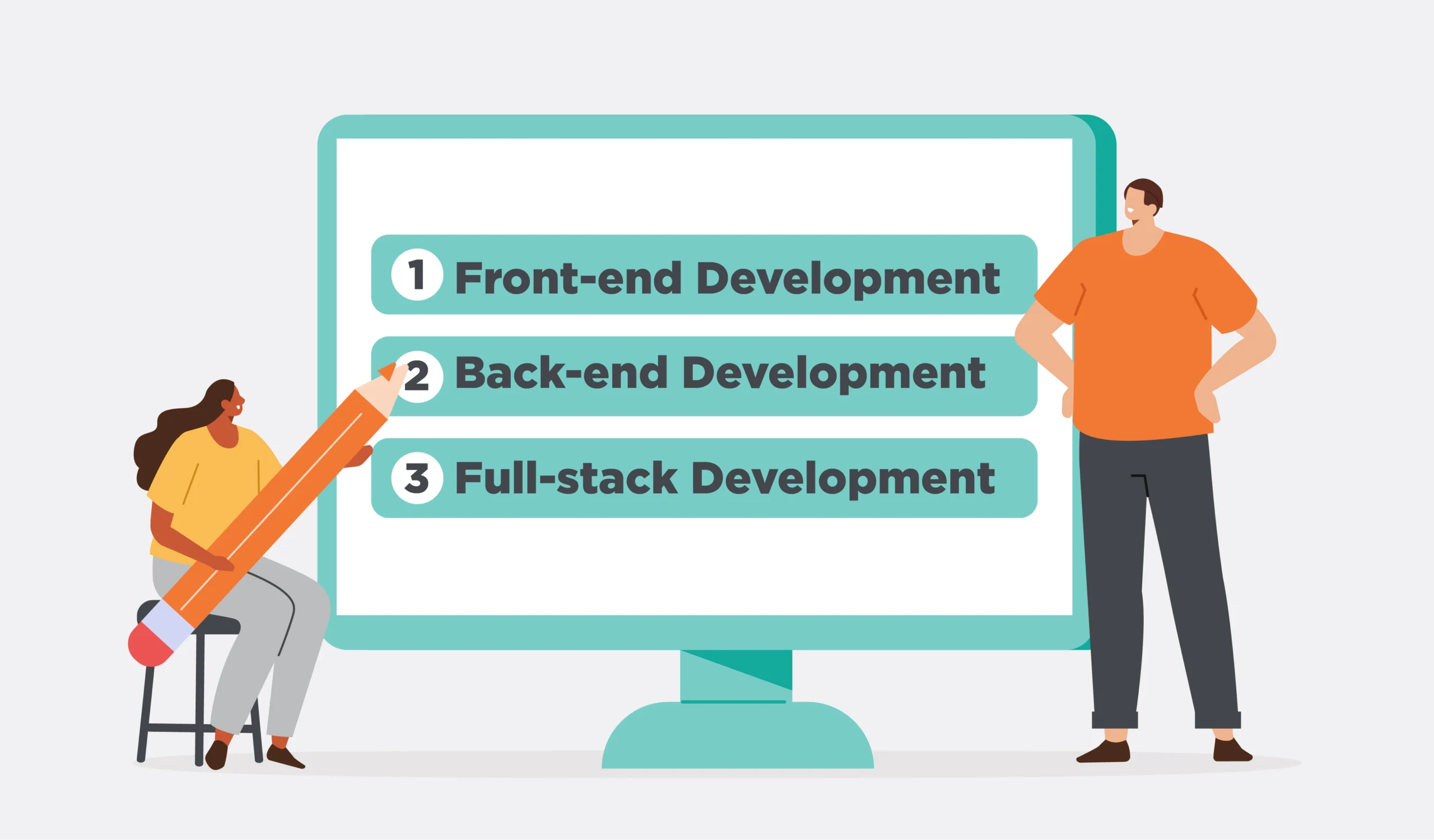
Types of Web Developers
- Front-End Developer: Builds what users see using HTML, CSS, JavaScript.
- Back-End Developer: Handles servers, databases, and logic (PHP, Python, etc.).
- Full-Stack Developer: Manages both front-end and back-end development.
Essential Skills for Web Developers
- Strong coding knowledge (HTML, CSS, JS, backend languages)
- Experience with frameworks (React, Angular, etc.)
- Problem-solving and debugging skills
- Understanding of APIs and database structures
- Knowledge of performance optimisation and security
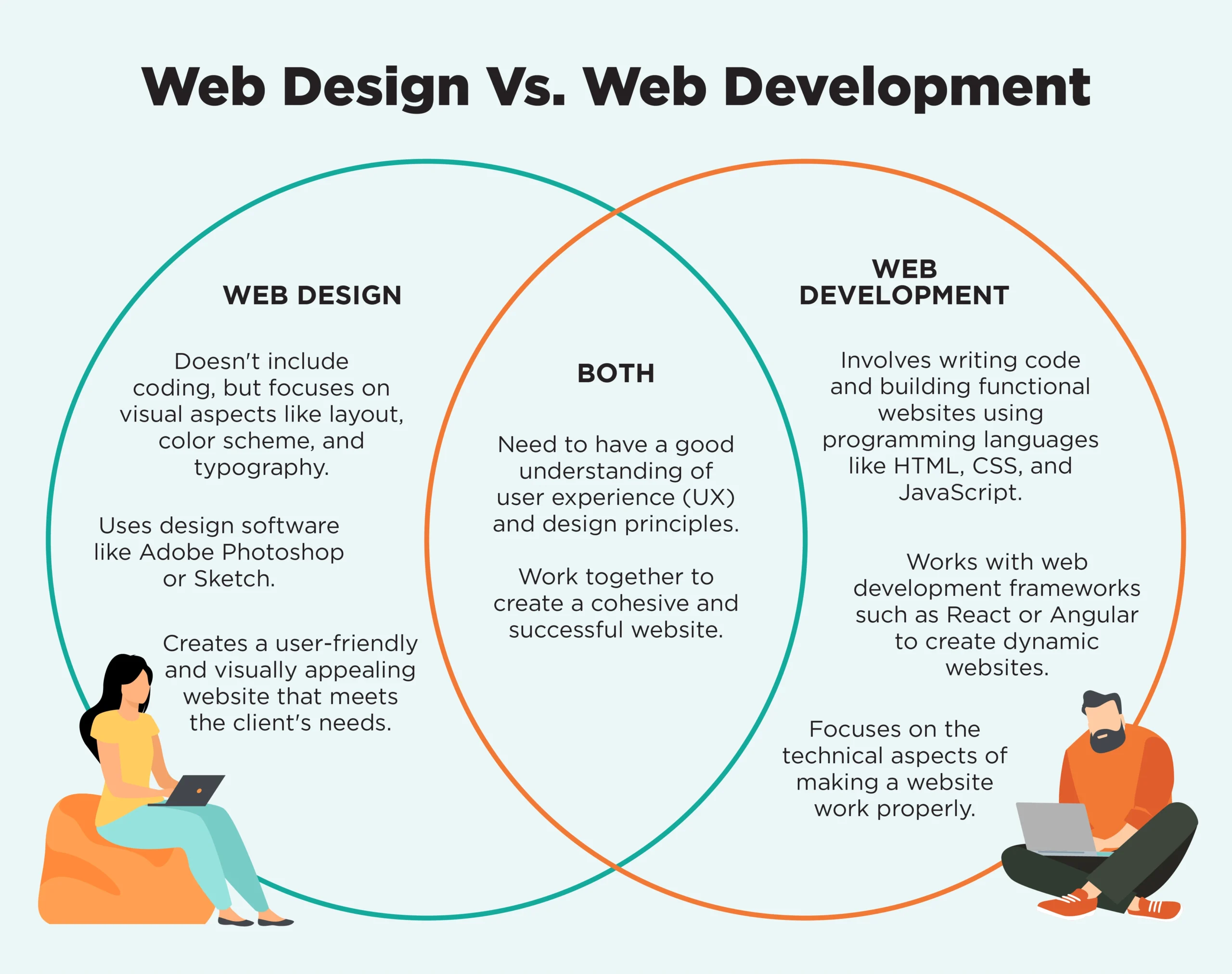
Web Designer vs Web Developer: Key Differences
Here’s a clear breakdown of the web designer and web developer difference:
Web Designer
- Focuses on design, layout, and user experience
- Uses design tools (Figma, Adobe XD, Sketch)
- Creates layouts, branding, and aesthetics
- Prioritises usability and engagement
Web Developer
- Focuses on coding and functionality
- Uses programming languages and frameworks
- Builds and maintains website systems
- Ensures performance, speed, and security
What They Have in Common
- Both need UX understanding
- Both collaborate closely
- Both contribute to a successful website
How Web Designers and Developers Work Together?
A successful website requires collaboration:
- Designers create the visual blueprint and user journey
- Developers bring the design to life through code
- Both refine the website based on testing and feedback
This collaboration ensures the final product is both visually appealing and technically strong, a key factor for SEO, user retention, and conversions.
Future Trends in Web Design and Development
As technology evolves, both roles continue to adapt.
Web Design Trends
- AI-assisted design tools
- Voice user interfaces (VUI)
- AR/VR experiences
- Minimalist and mobile-first design
Web Development Trends
- Progressive Web Apps (PWAs)
- AI and automation
- API-first architecture
- Integration with IoT devices
Understanding these trends helps businesses stay competitive in a fast-changing digital landscape.
How to Choose Between a Web Designer vs Web Developer?
The right choice depends on your needs:
- Choose a web designer if you need branding, layout, and user experience
- Choose a web developer if you need functionality, integrations, or systems
- Choose both if you want a complete, high-performing website
In most real-world projects, both roles are essential for long-term success.
Conclusion
Understanding the web designer and web developer difference is key to building a successful website.
While web designers create the visual experience, web developers ensure everything works seamlessly. Together, they form the foundation of every high-performing website.
If you want a website that not only looks great but also delivers results, combining both skill sets is the smartest approach.
Contact us today for a consultation.
This article was originally published on 13 September 2024 and has been updated on 23 April 2026 to reflect the latest information and best practices.
Need a strong team specialised in SEO?
Speak to Verz today if you are looking to create a website with a
lasting impression to achieve online success.


 Share
Share