Why Engaging Website Content Matters?
Your website is often the first interaction potential customers have with your brand. But in today’s digital world, simply having a website isn’t enough for visitors to expect experiences that are interactive, informative, and engaging. According to HubSpot, websites with interactive features and strong storytelling see significantly higher user engagement and conversion rates.
Whether you’re a business owner, marketer, or content creator, focusing on engaging website content can increase time spent on-site, reduce bounce rates, and build stronger trust with your audience.
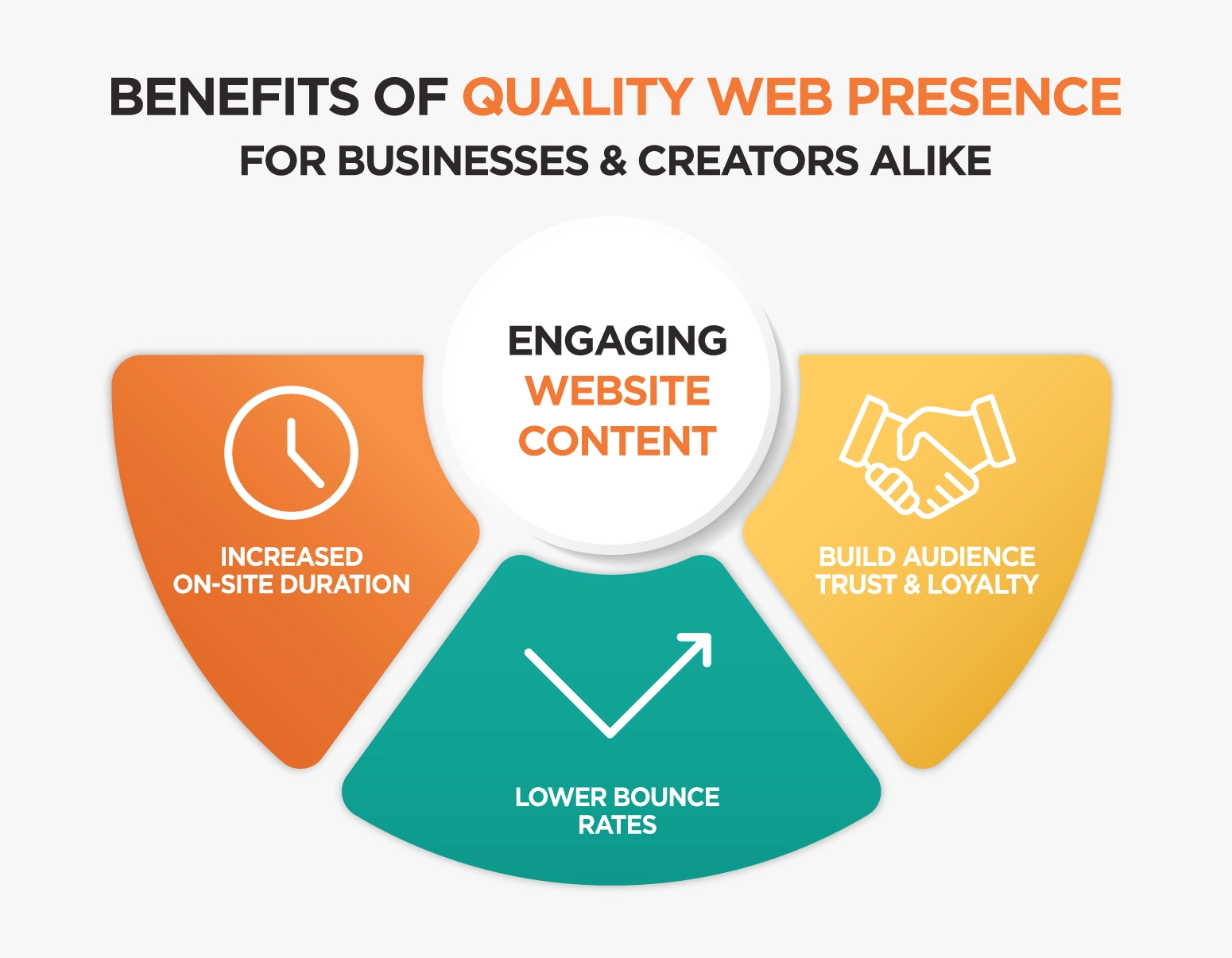
Here are 10 actionable ideas to make your website not only visually appealing but also memorable and user-focused.
1. Use Interactive Elements to Foster Participation
Interactive website features such as sliders, clickable product tours, or calculators give users a reason to stay and explore. For example, a financial website can include a mortgage calculator, while a fitness site might add a calorie counter.
- Why it works: Interactive tools encourage users to engage instead of passively scrolling.
- Pro tip: Use simple widgets that load fast and work well on mobile.
2. Harness Storytelling to Make Content Relatable
Storytelling transforms static information into something personal and memorable. Instead of listing product benefits, explain how a customer used your product to solve a real problem.
- Why it works: Stories create emotional connections, making your brand more relatable.
- Pro tip: Structure stories with a challenge, solution, and result format for clarity.
3. Incorporate Visuals and Infographics for Faster Understanding
Studies show that humans process visuals 60,000 times faster than text. Adding infographics, charts, and imagery makes complex ideas simple and shareable.
- Why it works: Visual content improves comprehension and boosts social shares.
- Pro tip: Add alt text with keywords like “engaging website content infographic” for SEO.
4. Develop Educational Quizzes and Polls
Quizzes and polls are a fun way to capture attention while gathering insights about your audience. For example, “Which Marketing Strategy Fits Your Business?” or “What’s Your Website Engagement Score?”
- Why it works: People enjoy personalised results and often share them.
- Pro tip: Use quiz results to segment users for tailored content or offers.
5. Leverage User-Generated Content and Testimonials
Highlight customer reviews, testimonials, and social media mentions directly on your site. This not only builds credibility but also makes users feel part of your brand community.
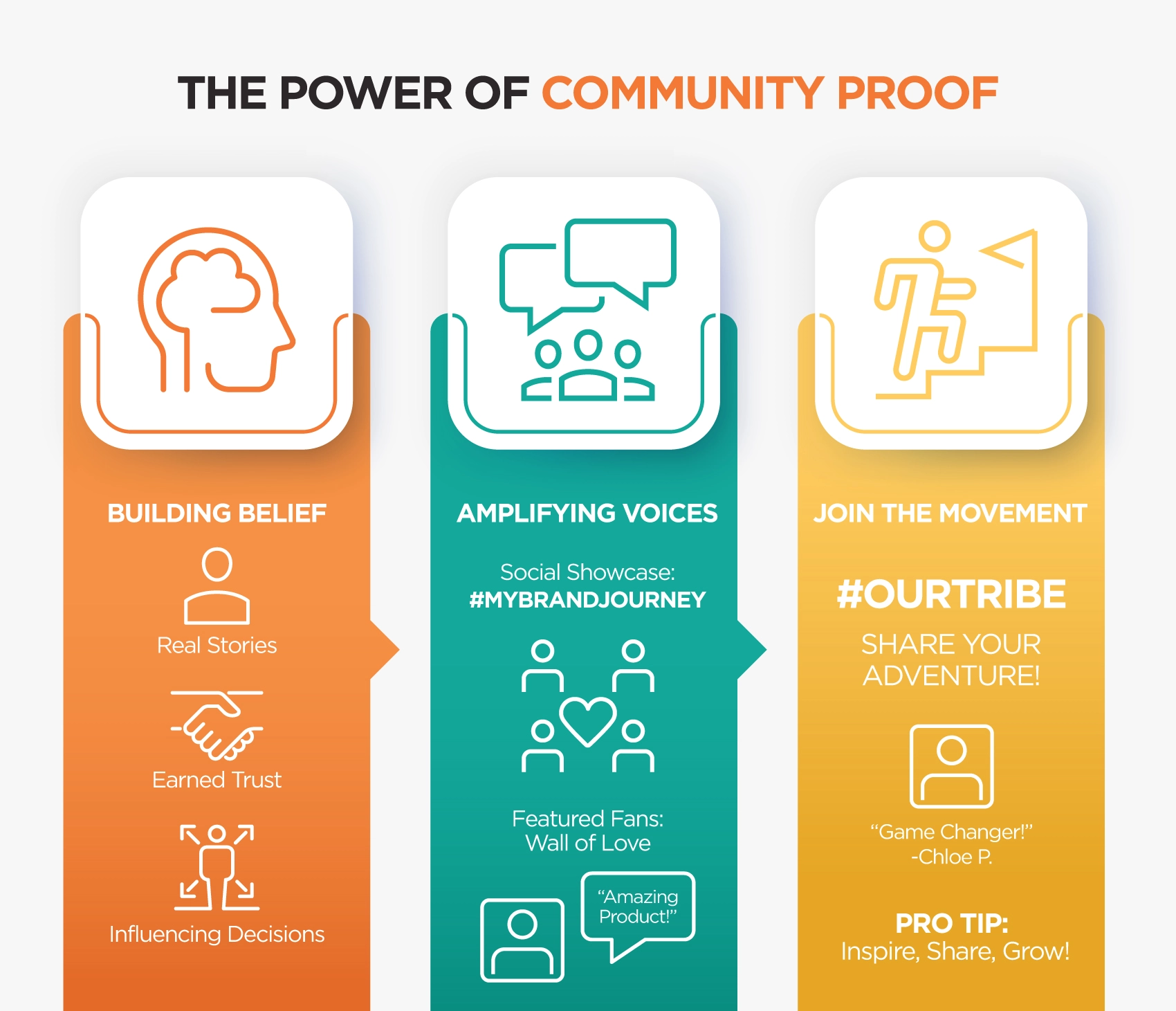
- Why it works: Social proof increases trust and purchase intent.
- Pro tip: Create a branded hashtag and encourage customers to share experiences you can feature.
6. Create Downloadable Resources and Guides
Offer eBooks, templates, or whitepapers that provide real value in exchange for an email signup. A design agency could provide a free brand style guide, while a software company might share a productivity checklist.
- Why it works: Downloadables build authority and help with lead generation.
- Pro tip: Optimise landing pages with clear CTAs and keyword-rich titles.
7. Embed Videos and Explainers for Multi-Sensory Engagement
Video content is one of the most engaging website features today. From tutorials to product demos, videos allow you to explain complex ideas in minutes.
- Why it works: Videos boost engagement and keep visitors on your page longer.
- Pro tip: Add transcripts for accessibility and extra SEO value.
8. Use Case Studies and Real-Life Examples
Case studies prove your expertise with real-world evidence. For example, a marketing agency can showcase how they increased a client’s traffic by 150% in three months.
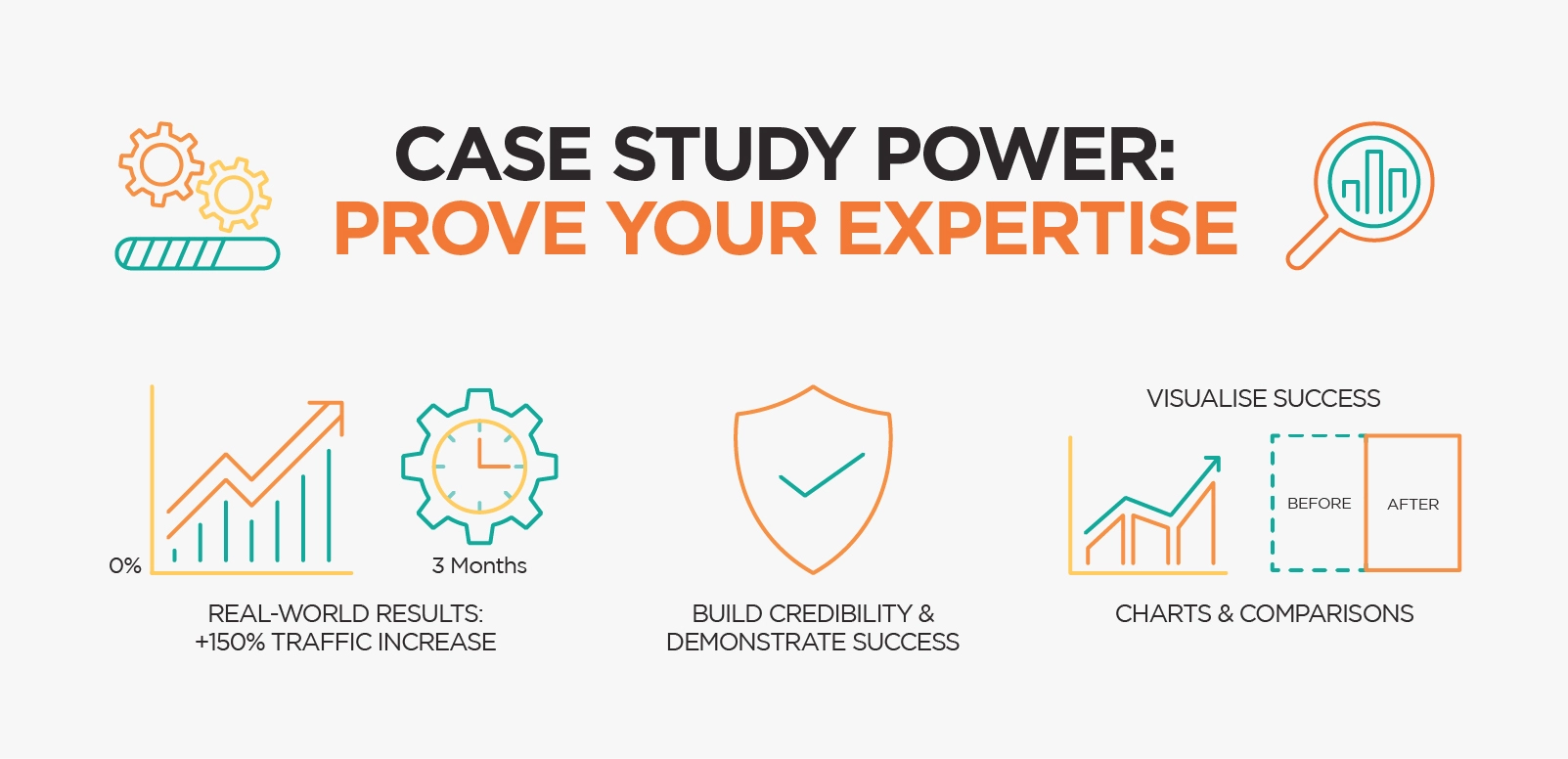
- Why it works: Data-backed examples build credibility and demonstrate success.
- Pro tip: Use visuals like charts and before/after comparisons to make results pop.
9. Integrate Social Media Feeds and Live Chats
Embedding your Instagram feed, TikTok reels, or a live chat helps make your site feel dynamic and responsive. It’s a way to connect website visitors with your brand in real time.
- Why it works: Live elements reduce barriers to engagement and create ongoing interaction.
- Pro tip: Use AI-powered live chat for instant responses outside business hours.
10. Update Regularly with Fresh, Relevant Content
A stale website signals neglect. Publishing blog posts, trend updates, or seasonal content keeps your site relevant in both user engagement strategies and SEO rankings.
- Why it works: Fresh content encourages return visits and helps you stay competitive.
- Pro tip: Create an editorial calendar to maintain consistency.
Conclusion: Building a Dynamic, Audience-Focused Website
Creating engaging website content isn’t about flashy design, it’s about meaningful interaction. By combining interactive website features, storytelling, visuals, and regular updates, you can turn passive visitors into loyal audiences.
The key is balance: mix creativity with usability, and always focus on your audience’s needs. Remember, engagement is the bridge between attention and conversion.
Want to make your website more engaging and results-driven? Reach out to us, and let’s build a digital experience your audience will love.
Need a strong team specialised in SEO?
Speak to Verz today if you are looking to create a website with a
lasting impression to achieve online success.


 Share
Share